
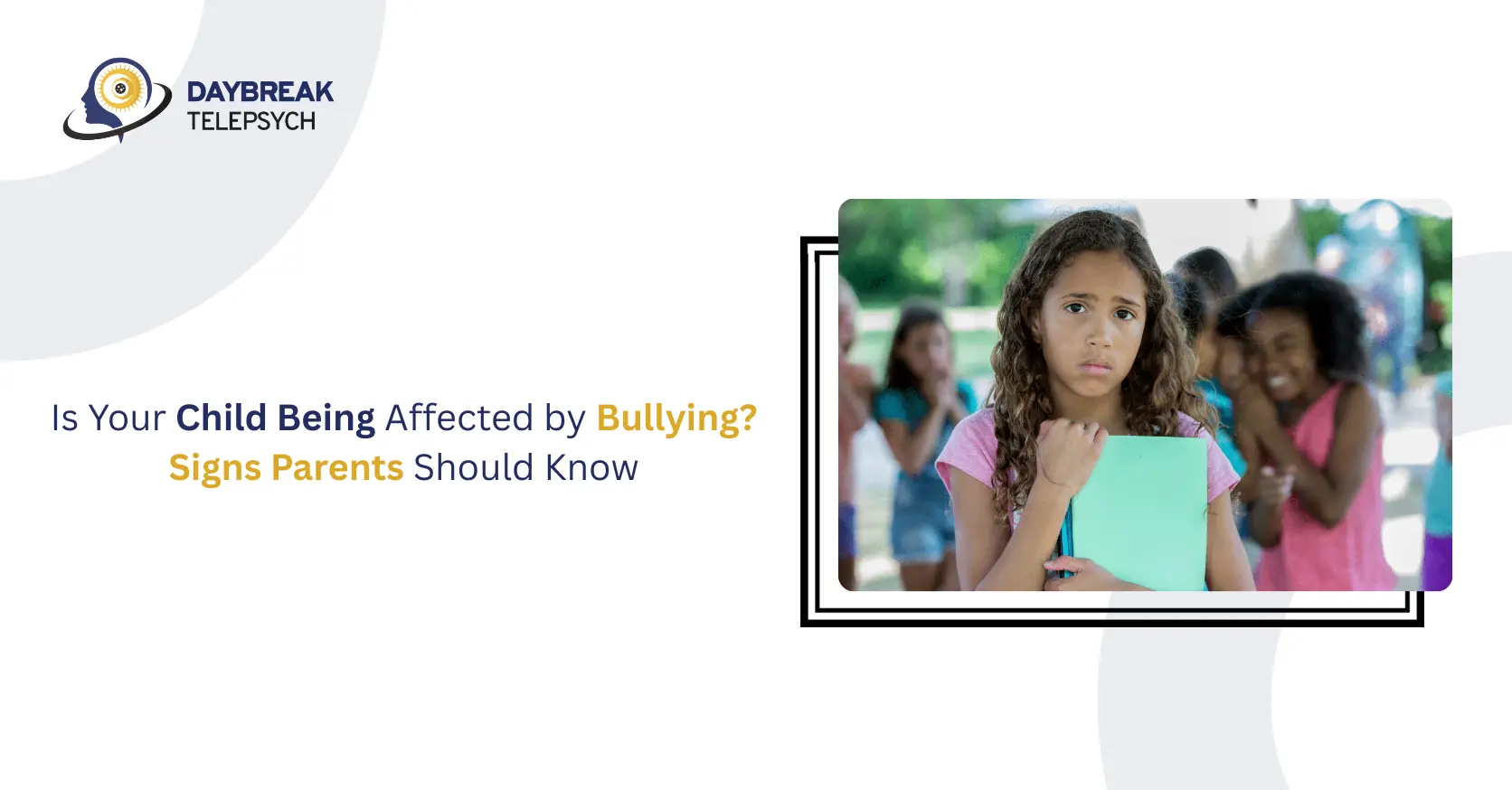
Bullying may destroy a child both emotionally and physically. As a parent, you can help. In this case, we will show the key signs to be observed. We will also show what you can do or when you should seek help.
What Is Bullying?
Bullying is the intentionally repeated harmful action of one child on another. Bullying may be through name-calling, exclusion of a child, pushing, and sending mean messages online. It may occur in the school, the neighborhood, or online. According to StopBullying.gov, bullying is the recurrent, cruel behavior that might cause harm to a child.
Signs to Look For
Pay attention to slight changes in your child. Not all the children will exhibit these signs. But when you see a number of them, speak to your child.
- Your child is sad. They don’t want to go to school.
- Your child gets headaches or stomachaches for no clear reason.
- Some people take clothes. Others damage books and toys.
- Your child has insomnia or frightening dreams.
- If your child’s grades drop, they might not care about school. This can happen easily.
- Your child looks sad. They are quiet or crying more than usual.
- Your child is withdrawing from friends or no longer wants to play.
- Your child hides their phone or becomes discreet about it.
- Your child gets angrier. They may act out more.
Here are warning signs that a child may be bullied. Look for these signs closely. If you see these signs, ask more questions. It’s also good to listen carefully.
How Bullying Can Affect Children
Bullying will cause a child to feel threatened or lonely. It may bring about difficulty in sleep and stomach pains. Bullying can hurt a child’s mood. It can also harm their well-being for a long time. Bullied kids can feel sad. They may also feel anxious for a long time. Adults can intervene to prevent these issues by intervening at an early stage. According to many health groups, bullying may have long-term consequences if it is not managed.
What to Say When You Talk to Your Child
Speak in a calm voice. Use short and simple words. Try these steps:
- Say you are glad they told you.
- Say you believe them.
- Let your child speak without feeling blamed.
- Identify the cause and place of occurrence.
- Ask whether any adults at school know.
- Inquire with your child about how they would prefer your assistance.
Keep your child safe and make sure they feel heard before punishing another child.
Practical Steps Parents Can Take
The following are some steps to take immediately.
- Have a cool conversation with your child. Let them tell their story.
- Tell the school. Request an appointment with the teacher or the principal.
- Preservation of evidence of bullying (messages, pictures, or notes)
- Show your child how to act safely. It helps to practice their responses.
- Help your child make a safety plan. This plan should cover how to get to and from school safely.
- View the online accounts of the child and understand with whom they are chatting.
- Compliment your child on their strengths and the things that they do best.
Contact with the school and other parents. Rules in schools usually prevent bullying. You may question the school about what it will do.
When to Get Professional Help
Get help right away. If your child feels very sad, acts out, or talks about hurting themselves, get help right away. Don’t wait. A mental health specialist can help your child. This is important if they keep losing sleep. It can also help if they have trouble with daily activities. You may also consult with the help of your child in case of great changes in feeding, high fear, and drastic mood swings.
The reputable health information sources advise seeking assistance in cases where a child is at risk or the change is unreasonably prolonged. In case of doubt, it is always safe to consult a mental health professional or doctor.
How Daybreak Telepsych Can Help
If you want a professional talk, Daybreak Telepsych provides mental health care for children and teens. They offer evaluations and consultation for young people. They also help adults and older adults. You can reach out to them to ask about a visit or to talk about next steps for your child.
If you call a clinic, tell them you need help for bullying and your child’s symptoms. They can explain what services they offer and how to get an appointment.
Tips to Help Build Strength at Home
- Keep routines. Bedtime and meal times help a child feel safe.
- Spend small daily time listening. A short chat at dinner can help.
- Teach kind words and how to be a good friend.
- Help your child join clubs or sports to make good friends.
- Show your child how to ask an adult for help.
Positive moments at home help a child heal. Even small support makes a big difference.
What to Do About Cyberbullying
- Keep copies of mean messages or posts.
- Do not reply to mean messages.
- Block the bully and adjust privacy settings.
- Tell the school if the bully is a classmate.
- Contact the website or app to report abuse.
Online harm can feel big. You can protect your child by watching accounts and teaching safe use.
Final Words for Parents
Trust your parental instincts. Check things that feel off. Speak kindly to your child. Make sure that they are safe. In case the problem is large or continues to exist, seek assistance from a doctor, counselor, or mental health service. This is not something that you need to do by yourself.
To understand how a mental health provider may benefit your child, you may contact Daybreak Telepsych to get information and make appointments.
FAQs
Can friends stop bullying?
Yes. Good friends can help by being kind and telling an adult when someone is mean.
How can Daybreak Telepsych help?
Daybreak Telepsych can talk with your child by video or phone and help with feelings and safety plans.
